Species Guide

Discover the marine mammals of the Salish Sea

13 species

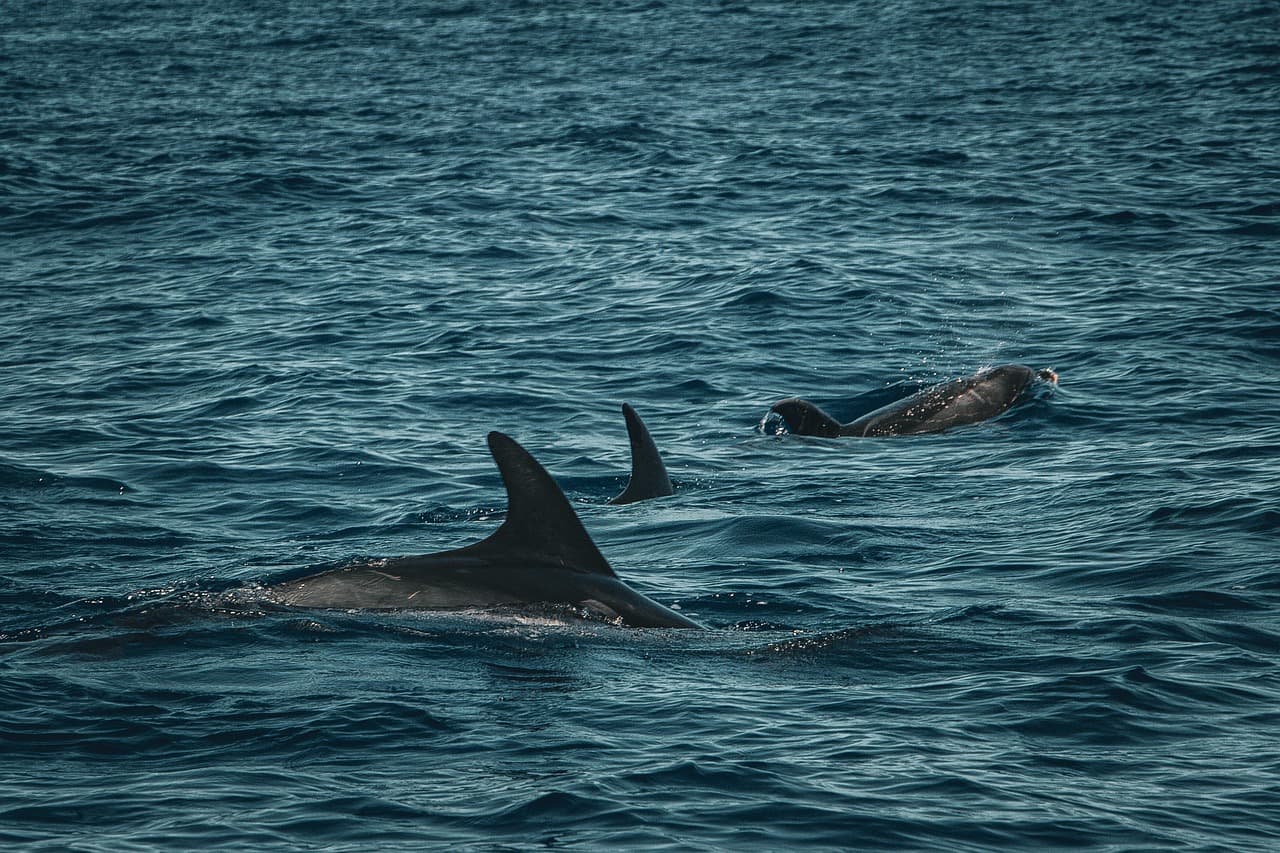
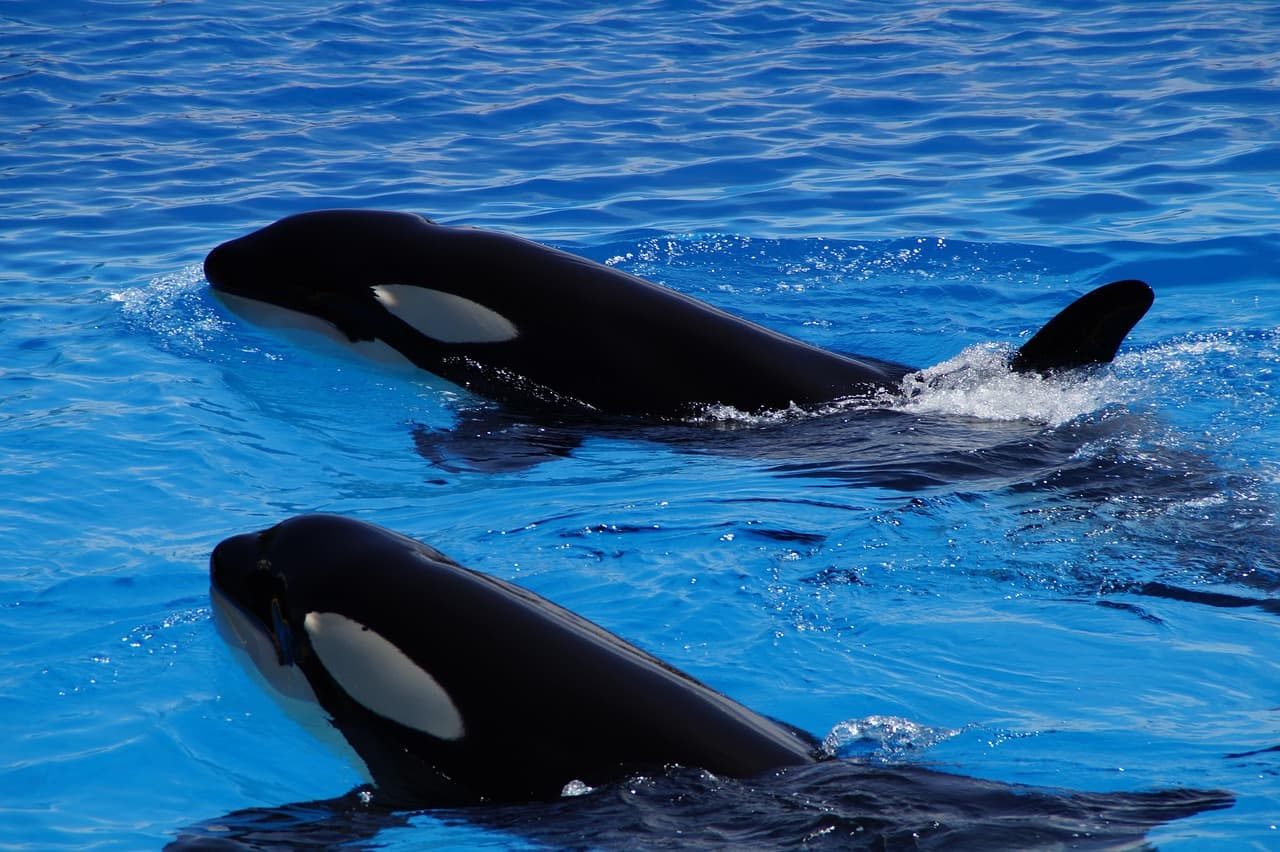
Killer whale breaching with forested coastline in background
Endangered

Marine Mammal

Killer Whale (Orca)

Orcinus orca

The killer whale is the largest member of the dolphin family and one of the most powerful predators on Earth. BC waters are home to three distinct populations: Northern Residents, Southern Residents, and Transients (Bigg's). The Southern Resident population is endangered, with only around 75 individuals remaining. These iconic black and white cetaceans are highly intelligent and live in complex matrilineal social groups.
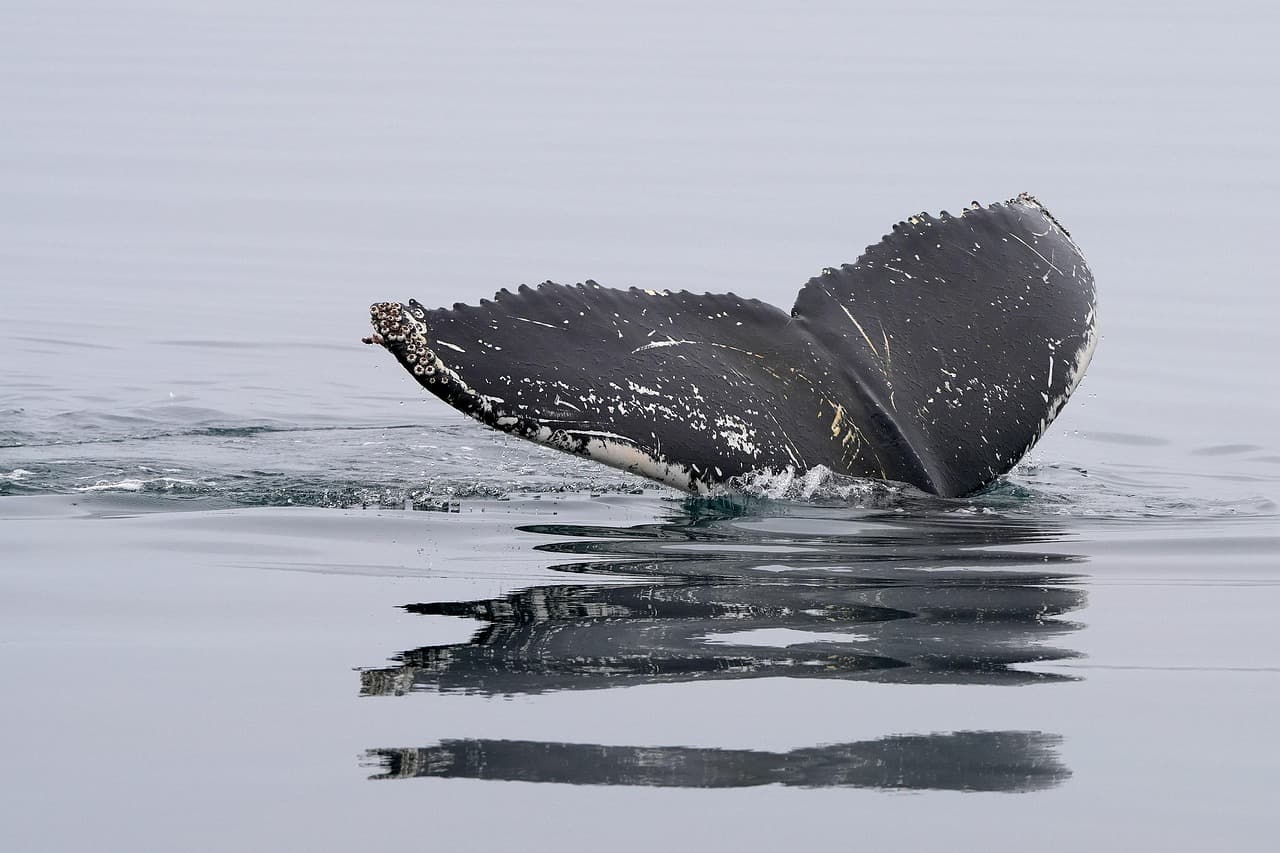
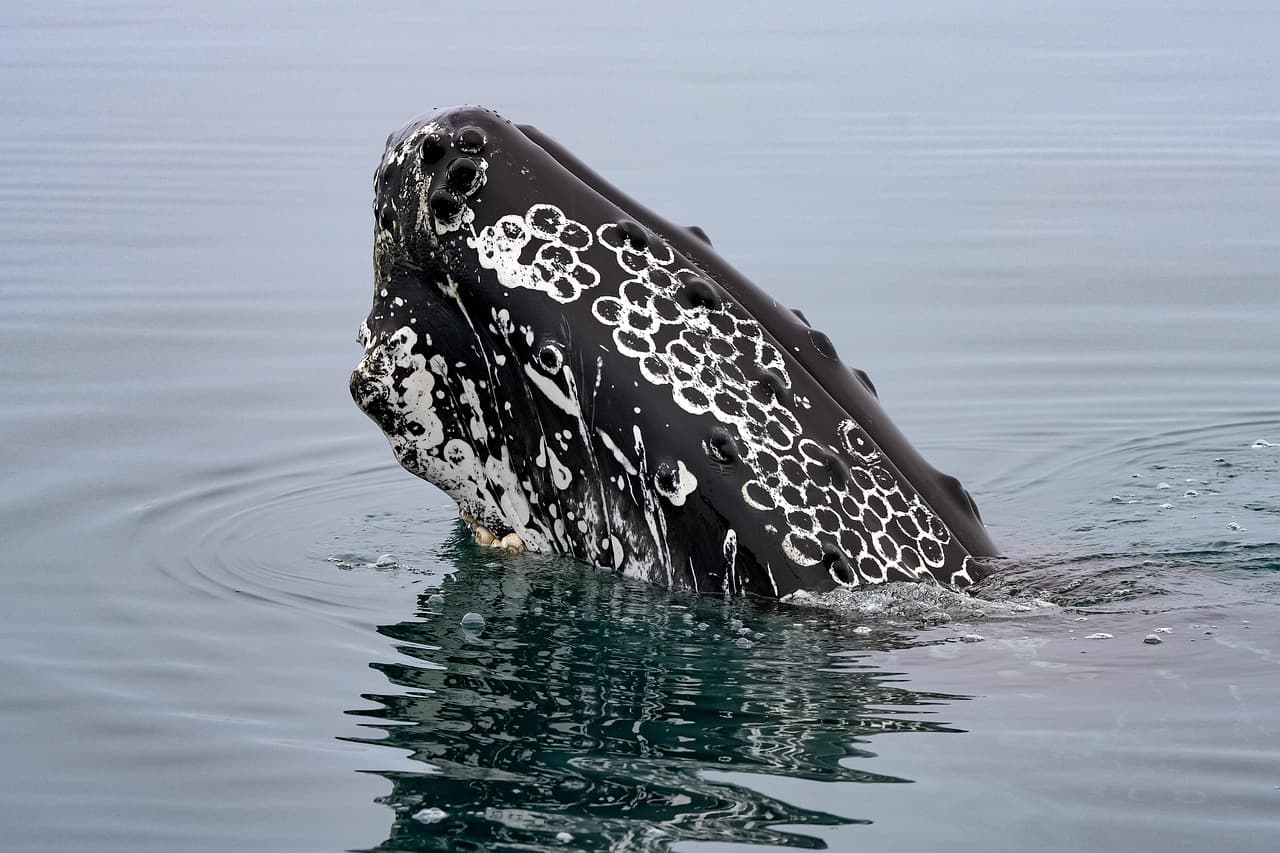
Humpback whale tail fluke rising from the water
Least Concern

Marine Mammal

Humpback Whale

Megaptera novaeangliae

Humpback whales are known for their spectacular breaching displays and haunting songs. After being hunted to near extinction, their population has made a remarkable recovery in BC waters. These acrobatic giants migrate from breeding grounds in Hawaii and Mexico to feed in the nutrient-rich waters of the BC coast each summer.

Gray whale surfacing near the shore
Least Concern

Marine Mammal

Gray Whale

Eschrichtius robustus

Gray whales undertake one of the longest migrations of any mammal, traveling over 16,000 km between their Arctic feeding grounds and breeding lagoons in Mexico. BC is a critical stopover point during their spring migration. Some individuals, known as "Pacific Coast Feeding Group" whales, spend the summer feeding in BC waters rather than continuing north.

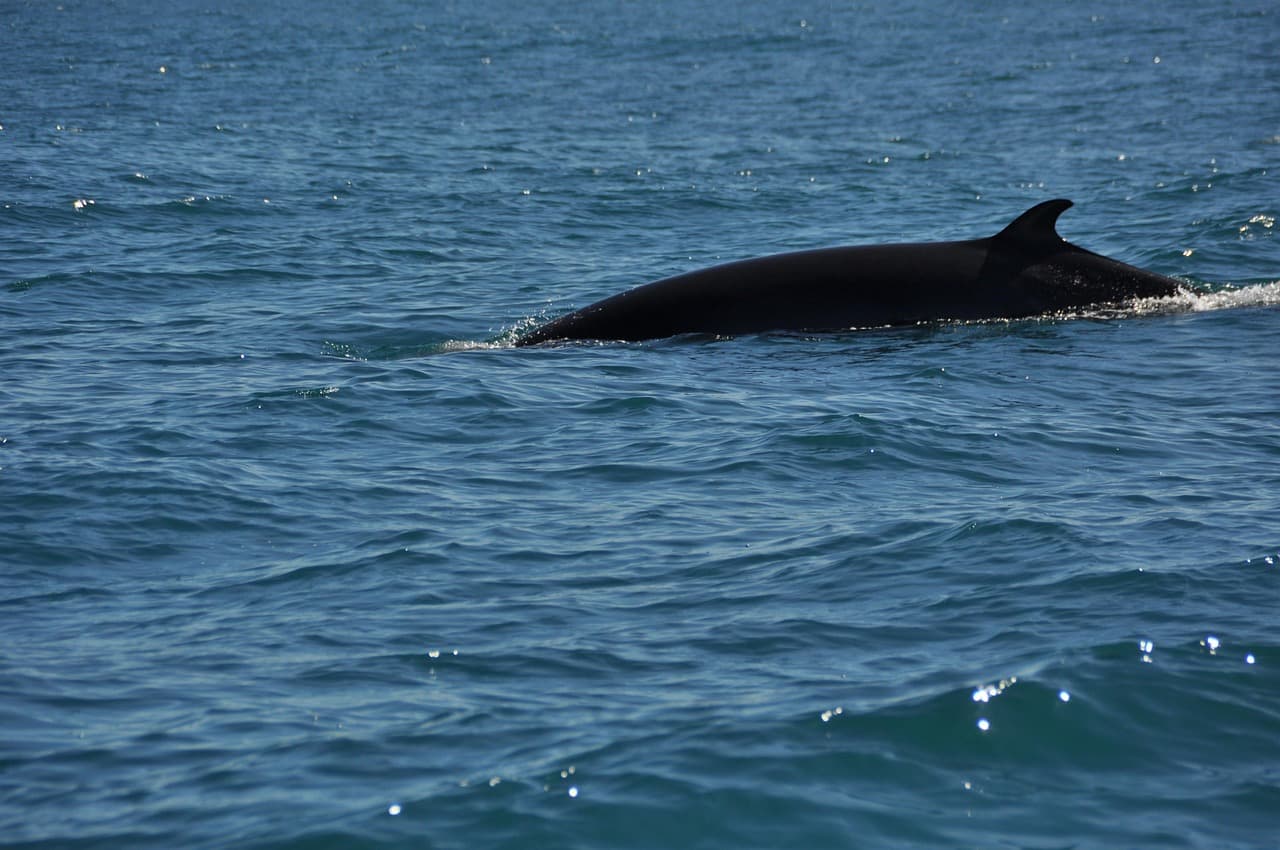
Minke whale dorsal fin breaking the surface
Least Concern

Marine Mammal

Minke Whale

Balaenoptera acutorostrata

The minke whale is the smallest of the great whales found in BC waters. These sleek, fast swimmers are often solitary and can be difficult to spot due to their small, quick blow and tendency to surface briefly. Despite their small size among whales, they can still weigh as much as a school bus.

Harbour porpoise surfacing in calm waters
Least Concern

Marine Mammal

Harbour Porpoise

Phocoena phocoena

The harbour porpoise is one of the smallest cetaceans and the most commonly seen porpoise in BC waters. These shy, elusive creatures rarely approach boats and typically avoid human activity. Despite their abundance, they're often overlooked due to their small size and inconspicuous behavior.

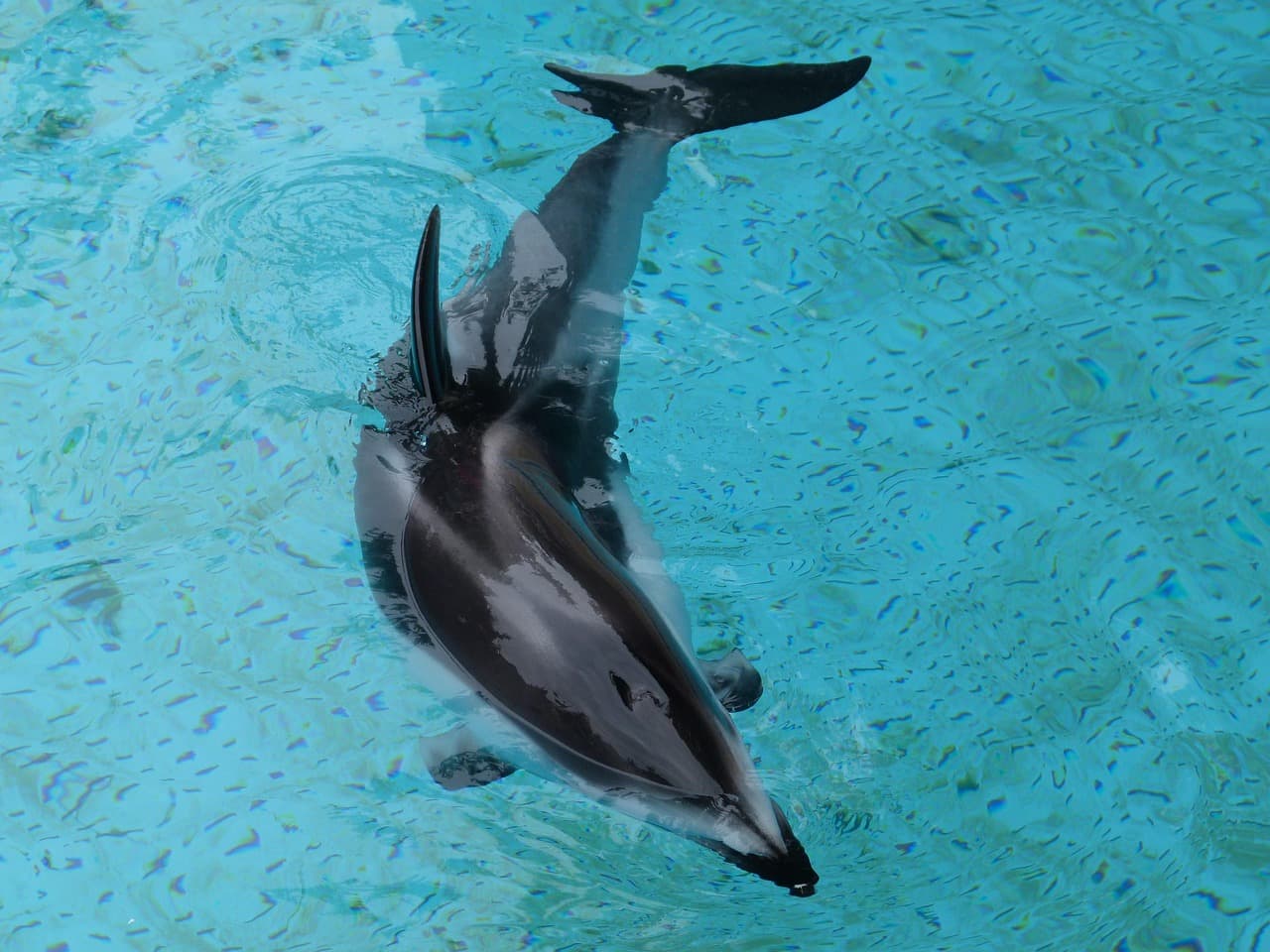
Dall's porpoise creating a rooster tail spray while swimming
Least Concern

Marine Mammal

Dall's Porpoise

Phocoenoides dalli

Dall's porpoises are the speed demons of the porpoise world, capable of bursts up to 55 km/h. Their distinctive black and white coloring and energetic bow-riding behavior make them a favorite among whale watchers. They create a distinctive "rooster tail" spray when swimming at high speed.

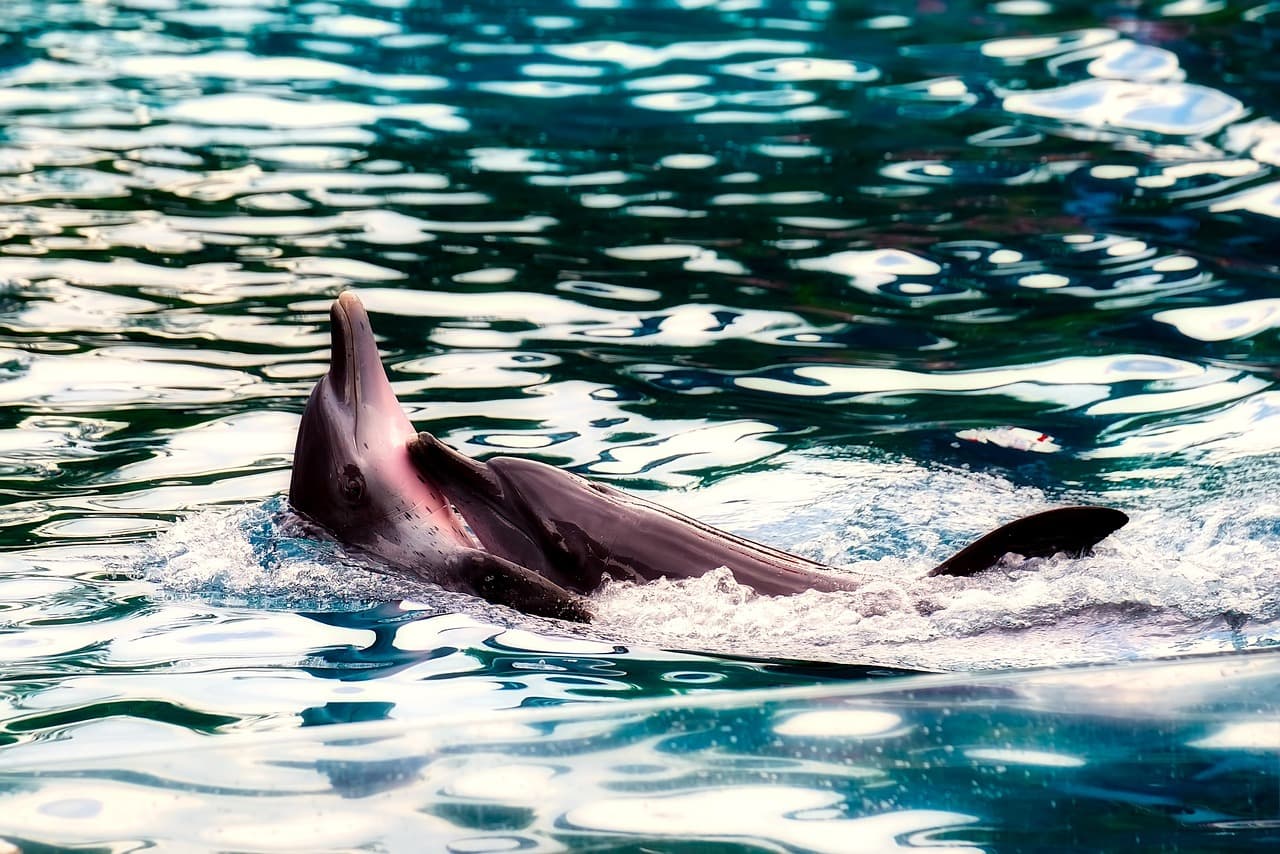
Pacific white-sided dolphin leaping out of the water
Least Concern

Marine Mammal

Pacific White-sided Dolphin

Lagenorhynchus obliquidens

Pacific white-sided dolphins are the acrobats of BC waters, known for their spectacular leaps and playful nature. These highly social dolphins travel in large pods and are often seen bow-riding alongside boats. Their striking coloration and energetic behavior make them a highlight of any whale watching trip.

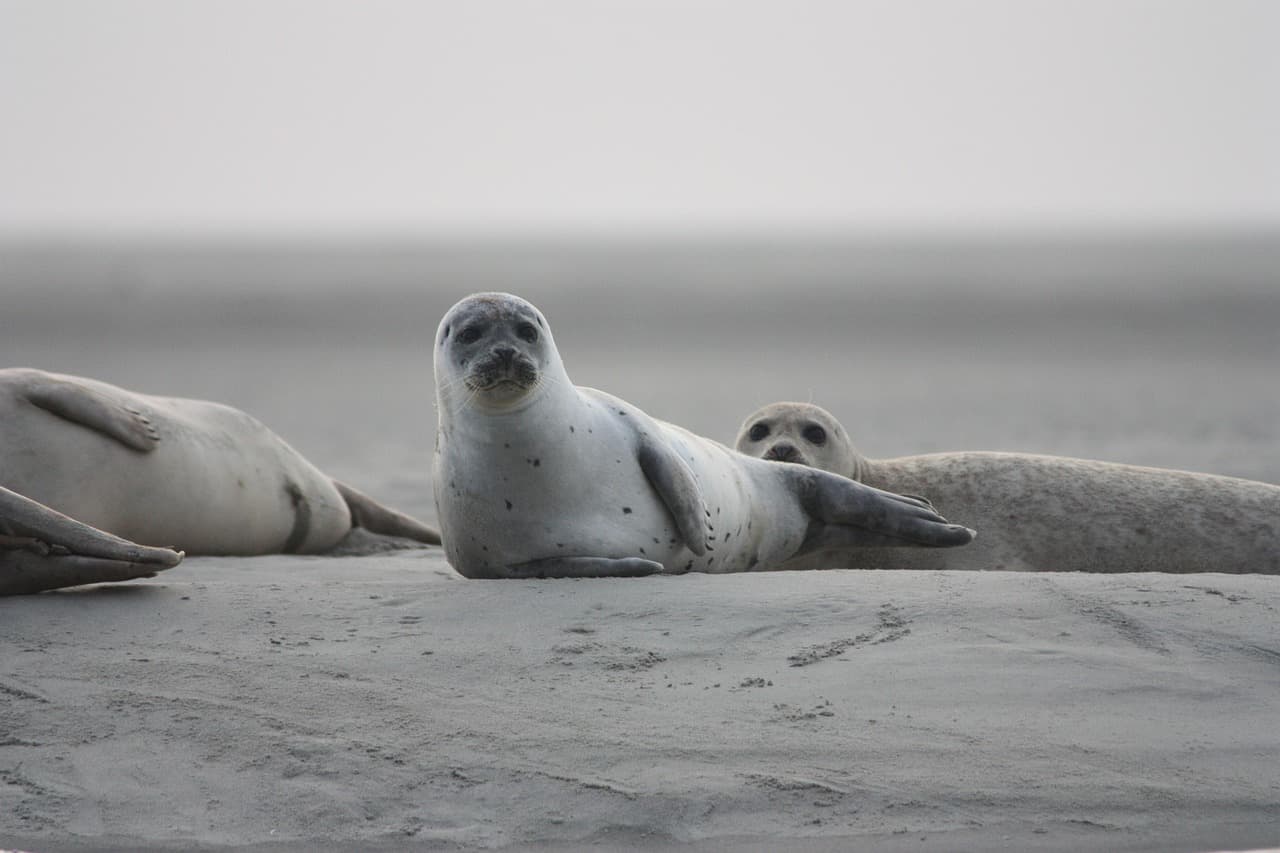
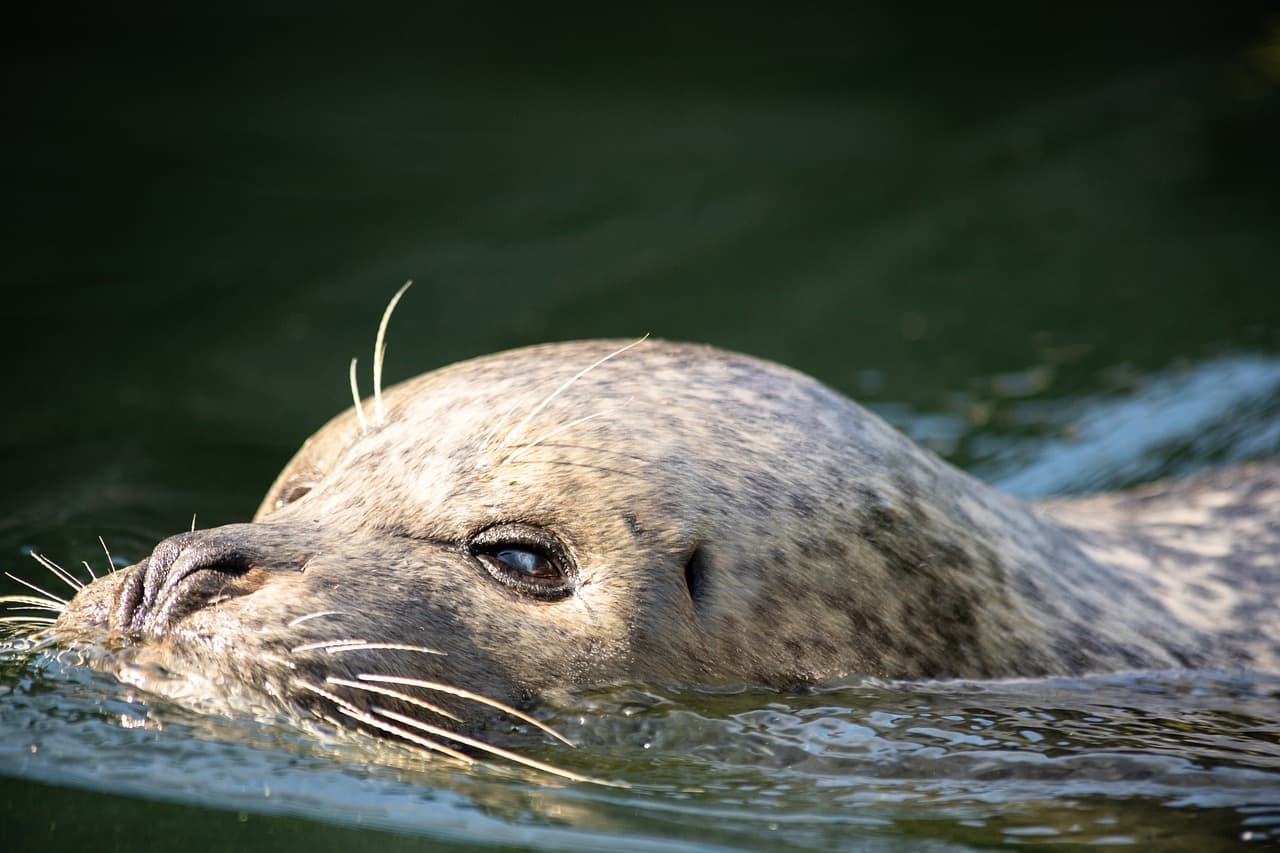
Harbour seal resting on a rocky outcrop
Least Concern

Marine Mammal

Harbour Seal

Phoca vitulina

Harbour seals are the most common marine mammal in BC waters and can be found year-round along the coast. These curious animals are often seen "hauled out" on rocks, beaches, and docks, basking in the sun. Their spotted coat pattern is unique to each individual, like a fingerprint.

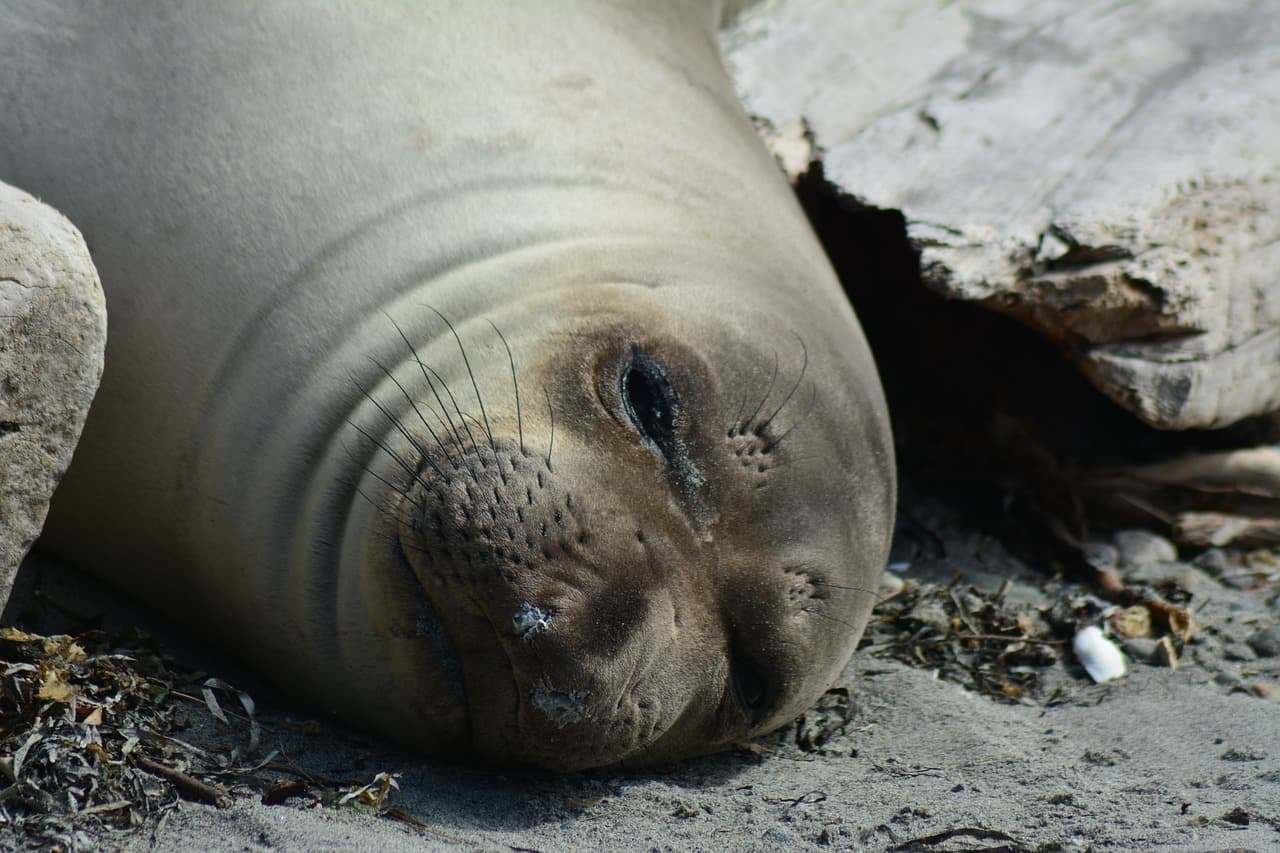
Northern elephant seal bull resting on a beach
Least Concern

Marine Mammal

Northern Elephant Seal

Mirounga angustirostris

Northern elephant seals are the largest seals in the Northern Hemisphere, with males reaching up to 2,300 kg. They are named for the male's large, inflatable nose that resembles an elephant's trunk. These incredible divers spend most of their lives at sea, coming ashore only to breed and molt.

Northern fur seal with thick dark coat
Vulnerable

Marine Mammal

Northern Fur Seal

Callorhinus ursinus

Northern fur seals have the thickest fur of any mammal, with about 300,000 hairs per square inch. They spend most of their lives at sea and are rarely seen near shore in BC. Once hunted extensively for their valuable pelts, populations have declined and they are now considered vulnerable.

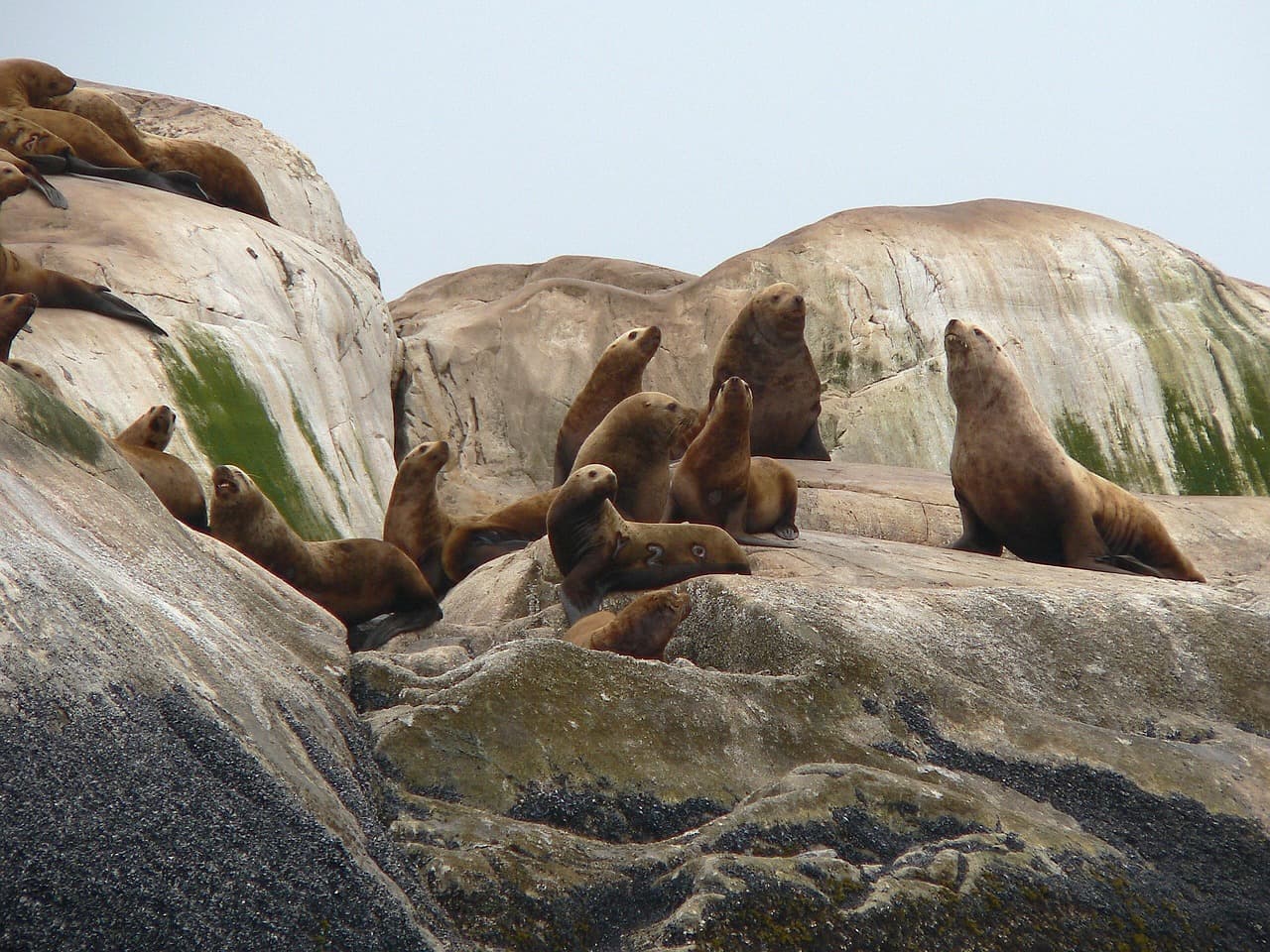
Steller sea lion bull roaring on a rocky haul-out
Near Threatened

Marine Mammal

Steller Sea Lion

Eumetopias jubatus

Steller sea lions are the largest of all sea lions and the fourth largest pinniped in the world. Named after naturalist Georg Wilhelm Steller who first described them in 1741, these impressive animals can be seen year-round on BC's rocky coastlines and are often heard before they're seen due to their loud, distinctive roars.

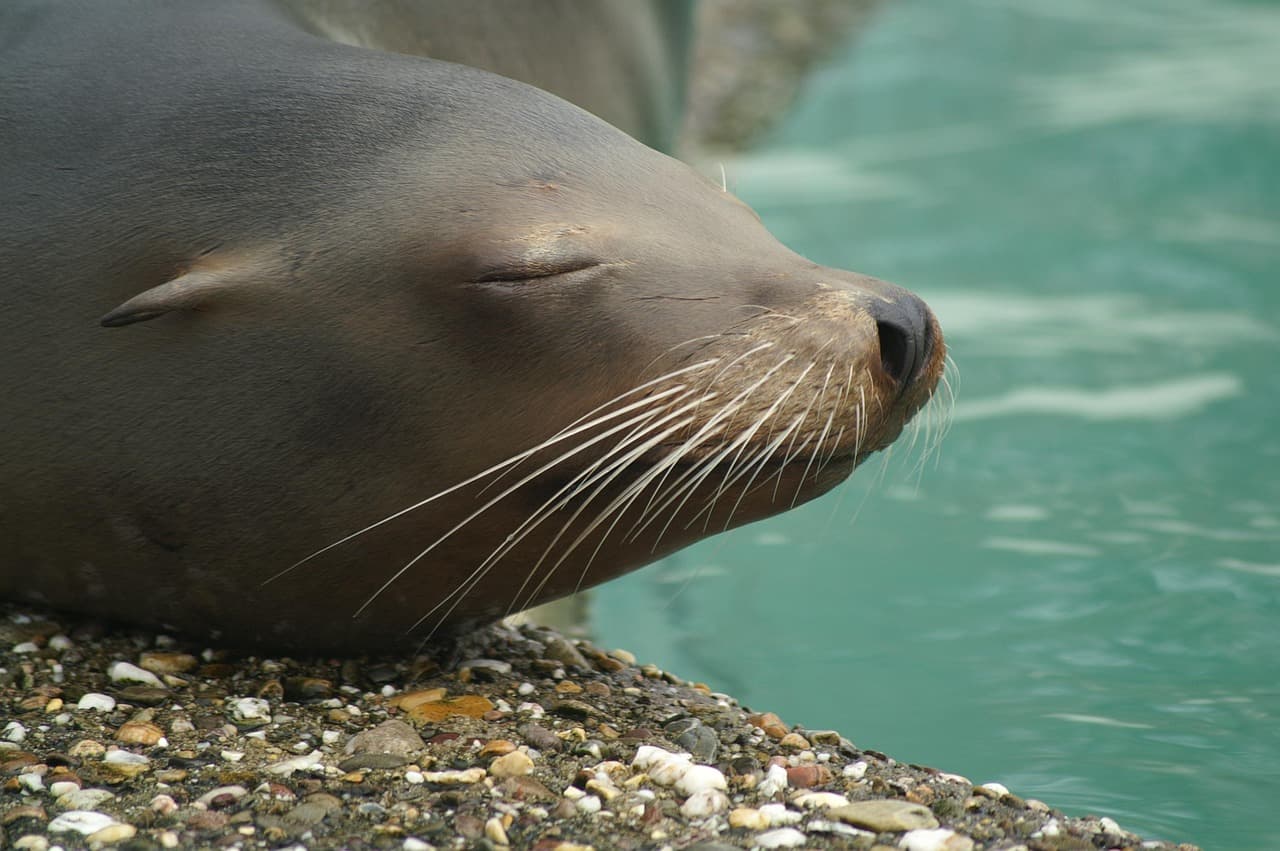
California sea lion barking on a dock
Least Concern

Marine Mammal

California Sea Lion

Zalophus californianus

California sea lions are the familiar "trained seals" of circuses and aquariums. These intelligent, playful pinnipeds are increasingly seen in BC waters as their range expands northward. Known for their barking calls and acrobatic swimming, they are highly social and often seen in large groups.

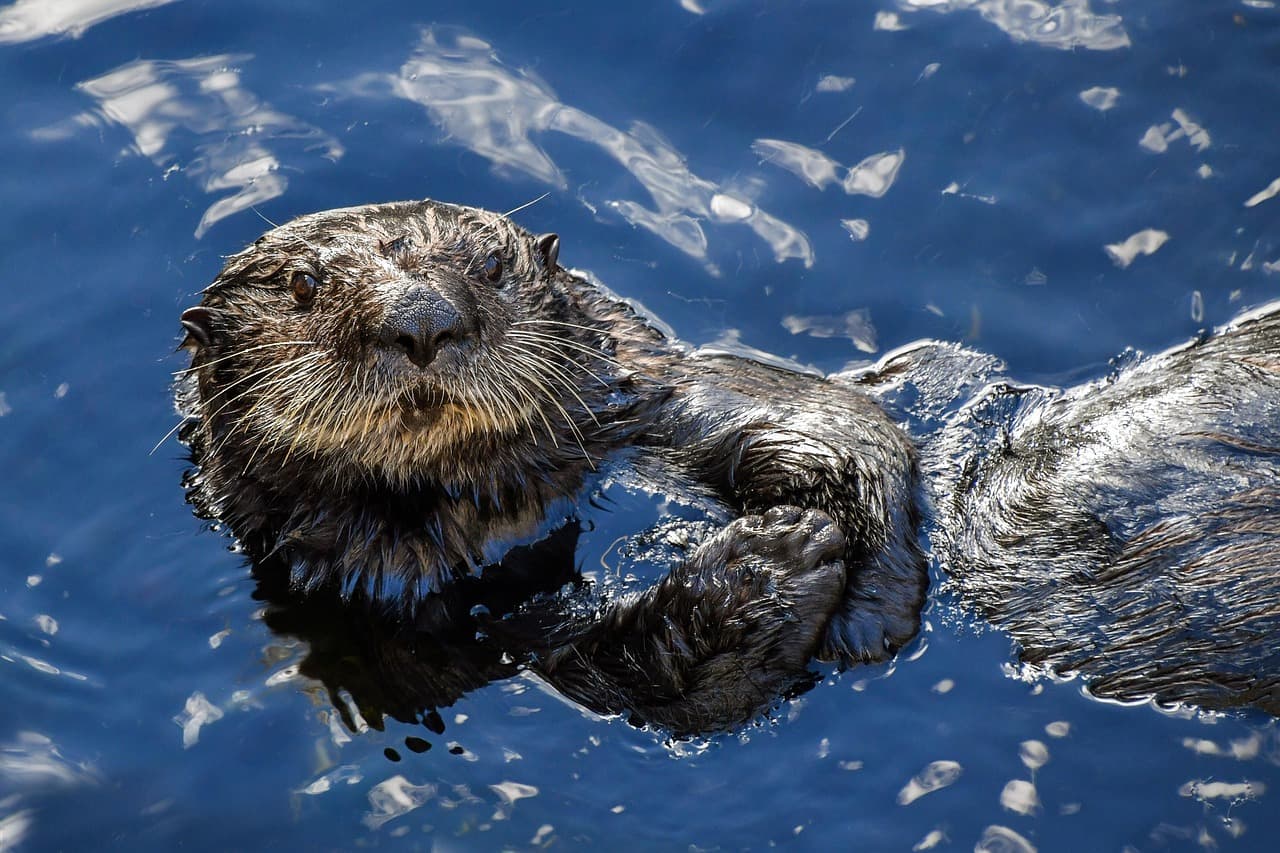
Sea otter floating on its back in a kelp bed
Endangered

Marine Mammal

Sea Otter

Enhydra lutris

Sea otters are the smallest marine mammals but have the densest fur of any animal on Earth. Once hunted to near extinction in BC for their valuable pelts, they were reintroduced in the 1970s and their population is slowly recovering. These charismatic animals are often seen floating on their backs, using rocks as tools to crack open shellfish.